
 Prakash Sngh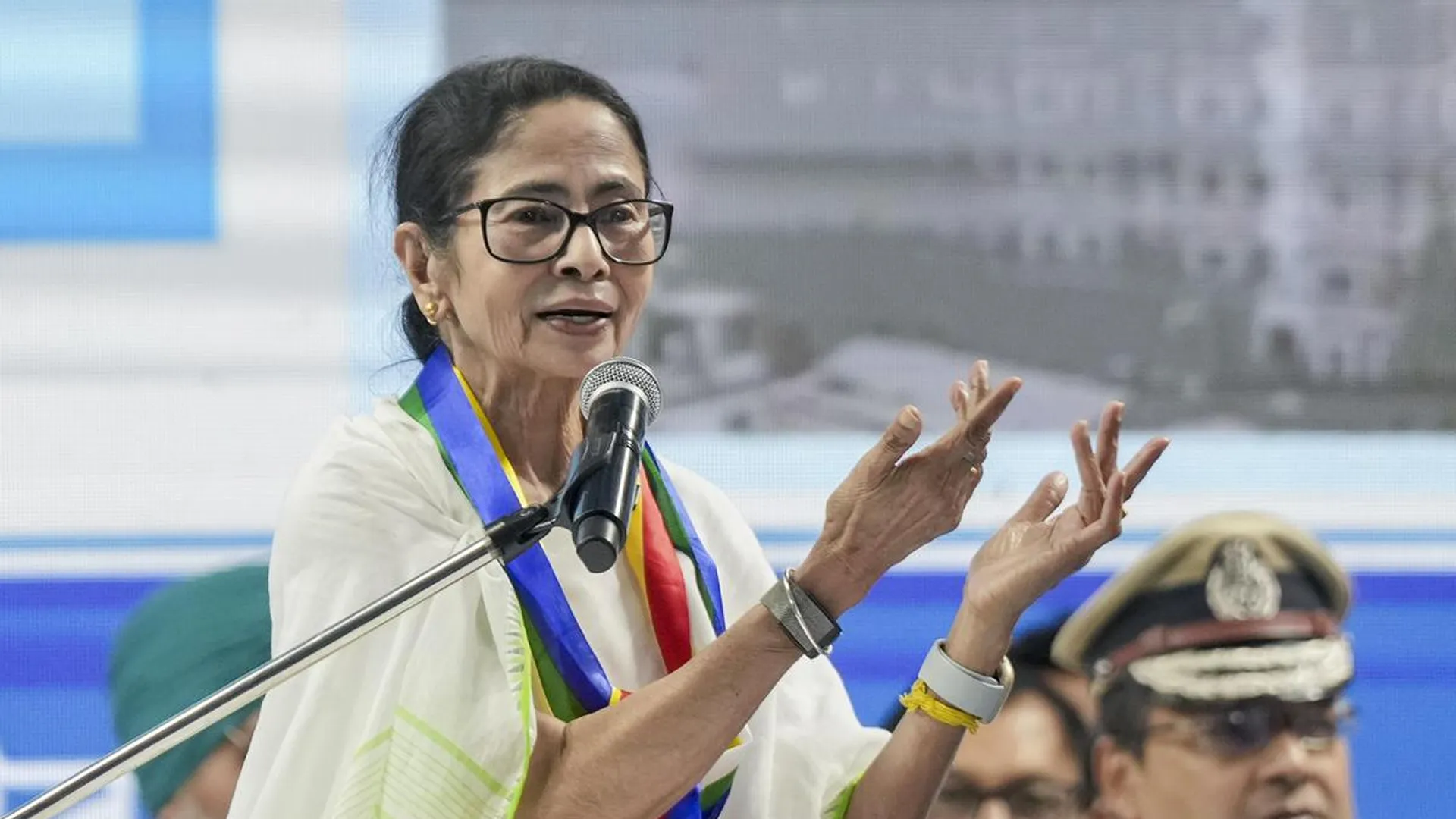
Mamata Banerjee Kolkata Protest: This is a major morning news story in West Bengal. On March 6 2026, Chief Minister Mamata Banerjee was seen protesting.
This was in the middle of Kolkata. The reason? She claims that thousands of real voters were removed from the voter list.
She wants the nation to be aware of this.
This is the news of the moment. It’s happening a mere few days before West Bengal holds its state elections.
This puts the Election Commission of India right in the middle of a massive political storm.
Mamata Banerjee Kolkata Protest: What Is This Protest All About?
The Sit-In at Esplanade Metro Channel
Mamata Banerjee began her dharna at the Metro Channel Esplanade located in central Kolkata. She began around 2:15 pm.
She was sitting 1.3 kilometres away from the Election Commission’s Kolkata office. This was not just a coincidence.
There were 22 actual people who came to the stage of protest. The people who attended the protest said their names were removed from the voter rolls for no reason.
Some were listed as dead in official voter rolls. But they’re alive and present.
The crowd was told that she would expose an alleged conspiracy between the BJP and the Election Commission. She claimed it was a scheme to take away voting rights from the Bengali people before the election.
This is at the heart of the Mamata Banerjee Bengal voter list deletions controversy.
Read More : PM Modi speaks with Netanyahu about West Asia Situation: News Today
Mamata Banerjee Kolkata Protest: What Is SIR? A Simple Explanation
SIR means Special Intensive Revision. The Election Commission ran this program to clear the voter lists in West Bengal.
The objective was to be fair. Eliminate names of those who left or died.
However, TMC says that the procedure went horribly wrong.
According to TMC, more than 63 lakh names of voters were removed from the voter list. Many of them were real voters. Minorities and women were stricken the hardest, as the party claims.
| Key Detail | Information |
| Protest place | Esplanade Metro Channel, Kolkata |
| Protest start time | 2:15 PM, March 6, 2026 |
| Duration declared | 3 days |
| Voters deleted (TMC claim) | More than 63 lakh names |
| People incorrectly listed as dead | Protest stage (22 shown) |
| EC full bench visit | Scheduled March 8, 2026 |
| WB Assembly tenure comes to an end | May 7, 2026 |
Mamata Banerjee Kolkata Protest: Abhishek Banerjee Announced the Protest First
TMC national secretary Abhishek Banerjee announced this protest on March 1, 2018, on Sunday. He made many claims.
He claimed that the objective of removing one crore names of voters was set before the revision even began.
He said the entire SIR process was politically motivated. He stated that Mamata will announce the next action plan at the site of protest within the protest site.
He described the deletion of voter registrations as an attack on the democratic process in West Bengal.
Mamata Banerjee Kolkata Protest: What Does the BJP Say?
BJP Hits Back Hard
BJP Senior leader Amit Malviya reacted to the protest. He stated that Mamata should concentrate on tackling the state’s unemployment instead of focusing on the dharnas.
He said that about 85 million youth in West Bengal between the ages of 18 and 40 are currently unemployed.
He claimed that the rate of unemployment in West Bengal is around 13 per cent. He claimed that’s a lot over the national average in India.
This is the main argument the BJP has in today’s news.
BJP also claimed that the deletions of voters were accurate. They also claimed that the names removed belonged to illegal immigrants.
They claimed that those names were used by TMC to cast fake votes. This is the BJP’s version of what transpired.
Mamata Banerjee Kolkata Protest: Why Is the Timing So Sensitive?
West Bengal’s assembly elections have to be held before May 7th 2026. This is when the legislature’s five-year mandate ends.
Then, in 2021, TMC won the presidency by winning 215 of 294 seats. Mamata became the chief minister for the third time.
In the months leading up to the next election, the Mamata Banerjee Bengal problem of deletion of voter lists has become the top issue in the state.
Both parties are aware that the list of voters is what determines who can vote, and who is eligible to vote determines who the winner is.
Mamata Banerjee Kolkata Protest: The Election Commission Visit on March 8
The EC’s entire bench was due to arrive in Kolkata just two days after Mamata’s protest. The time of the dharna was clearly set to convey a message.
Mamata was keen to let the EC be aware that the voters, as well as the ruling party, are monitoring every move.
This is news which analysts from across India are keeping an eye on. If the EC agrees to reconsider the names that were omitted, this will be a major victory for TMC.
Otherwise, the protest is likely to increase in size.
Mamata Banerjee Kolkata Protest: Ordinary Voters Are Checking Their Names
In West Bengal, regular people are using the internet or visiting offices in their local area to see whether their names are listed.
Many have discovered that their names are not listed. Some are listed as deceased.
This type of news resonates with a lot of voters. It’s not just an issue of politics. It’s about whether or not your vote will be counted on the day of the elections.
This is the reason why this story dominates the news today and in morning news segments on each Indian channel.
Mamata Banerjee Kolkata Protest: Conclusion
Mamata’s sit-in had been scheduled to last for three days. TMC is likely to take the case to court, too.
The party is seeking a thorough review of the post-SIR voting rolls before the dates for the elections are announced.
The Election Commission has not made any public statements regarding the protest as of yet.
What they do with the EC full bench visit on March 8 will determine the mood for the remainder of the election season.
The Mamata Banerjee Bengal voter list deletions will be in the news cycle until the time of the election.
The media, the voters and political experts across India keep a watchful eye to see what happens next in West Bengal.