
 Prakash Sngh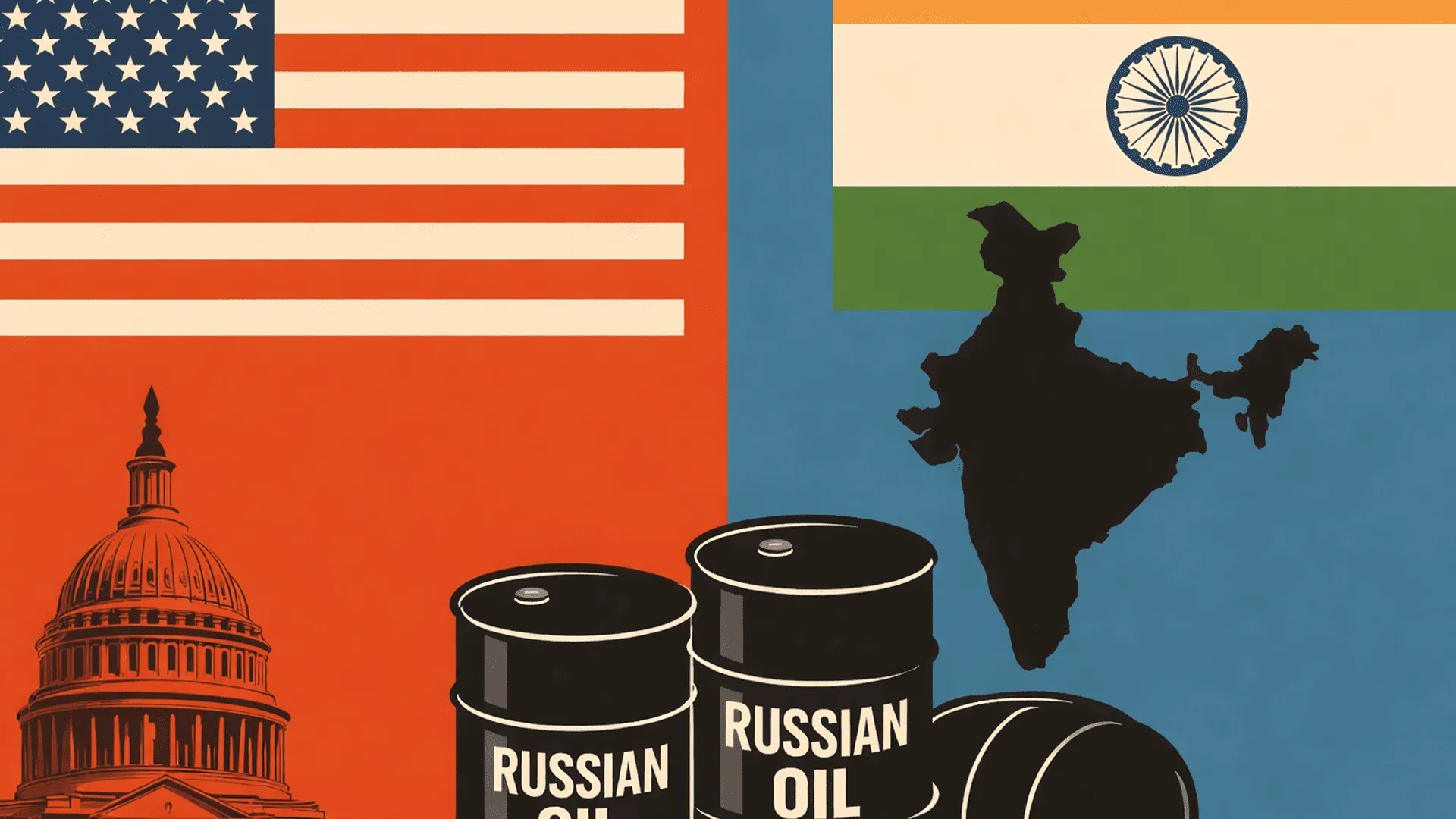
At the beginning of 2026, one of the biggest relationships in business that exists between India-US trade deal tariffs, took a drastic turn. Tariffs in the India-US trade deal, adjustments, and the resulting policy changes that have Russian impacts on oil purchases are attracting media attention, international attention, and boardrooms, too. The initial tensions over tense talks about high duty rates turned into an extensive shift in trade policy, strategy, energy alignment, and tariff structure.
This isn’t merely another trading headline. It’s a moment that demonstrates how economics and geopolitics have become interconnected. Energy decisions are reflected in the duty schedules of markets, and they rebalance over the course of a single night.
This is a full breakdown.
The Roots: From Tariff Tension to the Trade Reset
Between 2025 and the beginning of 2026, trade relationships among India as well as India and the U.S. were marked by increasing duties as well as diplomatic tensions. It was the U.S. placed a 25 percent tariff on Indian imports, asserting that Indian tariff barriers were unfair. India, on the other hand, was able to negotiate diplomatically but remained committed to its own economic policies. This conflict erupted the tensions when India continued to import Russian crude oil despite global tensions, which triggered an additional severe 25 percent tariff,f bringing the total tariff close to 50 percent on Indian items sold on India’s U.S. market.
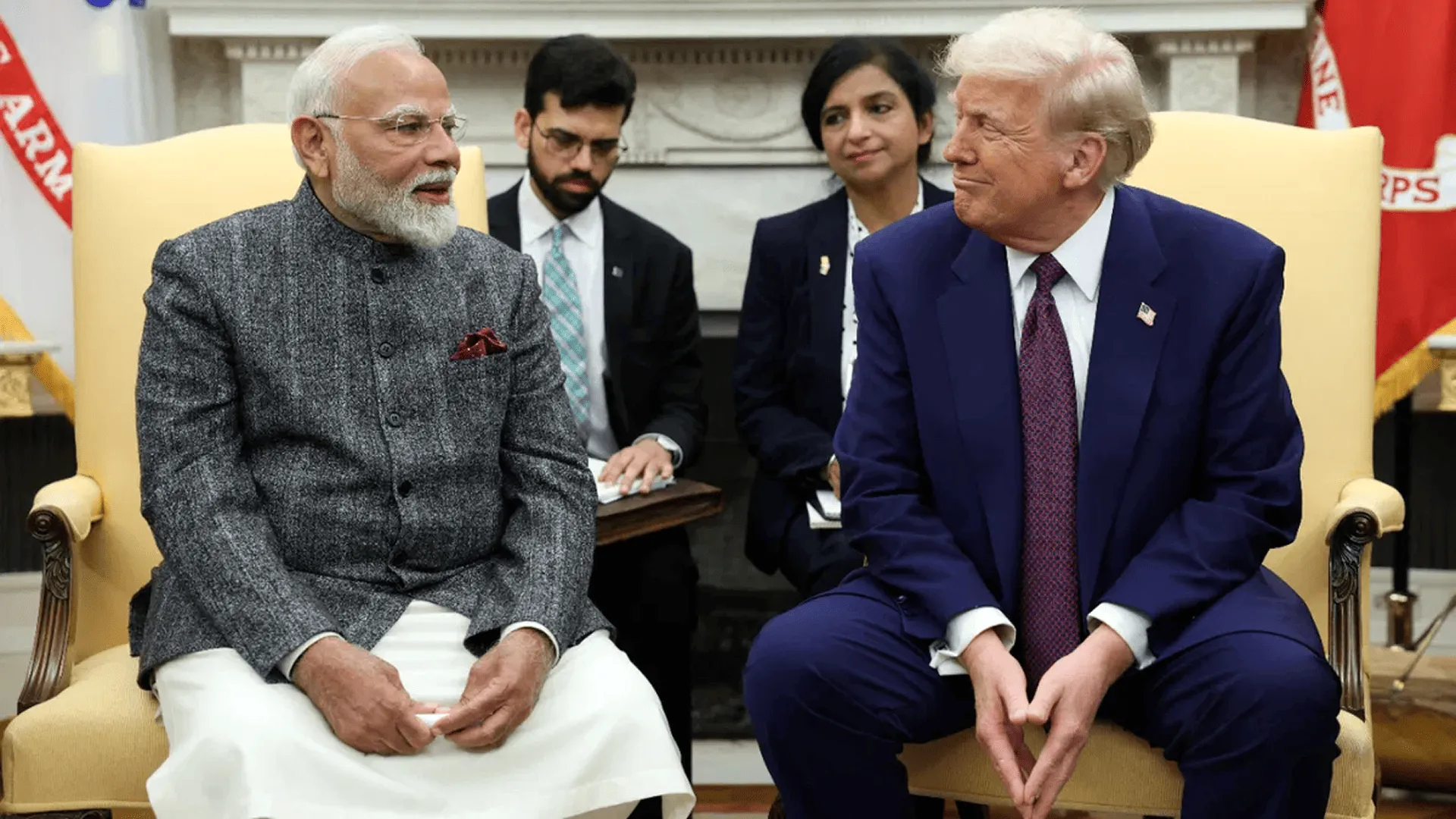
But on February 6, 2026, leaders from both countries unveiled the framework of an interim arrangement to reduce tensions and allow broader talks towards the creation of a Bilateral Trade Agreement (BTA).
Read More : https://toponlinenewschannel.net/pakistan-backlash-over-india-us-trade-deal/
What was the method of adjusting the Tariffs
The main result was a drastic decrease in tariffs
| Component of Tariff | Before the Deal | Following the Deal |
| Tariff reciprocity on Indian products | ~25 % (plus punitive additions) | The reduction was reduced to 18 percent. |
| A tariff increase is a result of Russian oil purchases | +25 % punitive duty | Taken away |
| Tariffs that are effective in all aspects | ~50 % | 18 % |
The elimination of the surcharge for punitive purposes is closely linked to discussions about purchasing energy sources, particularly the purchase of oil imported from Russia, which is a fact that was acknowledged in the statements of both governments concerning the interim accord.
This change in tariffs to 18 percent tax was welcomed by experts as a smart reduction in the rate of escalation. It also provides Indian exporters with a more favorable standing in the largest consumer market.
The Russian Oil Narrative that is contested
One of the most controversial aspects of the talks was the addition within the White House fact sheet of language that linked India’s change in import policies with reductions in tariffs. The fact sheet indicated India has committed to stop either directly or indirectly imports of Russian Federation oil, an assertion which New Delhi did not explicitly affirm in its own joint declaration.
It is significant as by 2025, U.S. policy makers had explicitly linked penalties with India’s continued purchases of Russian oil,l which was a pattern that is rooted in wider geopolitical initiatives to limit Moscow’s support for economic issues in the face of international tensions.
The Indian government has clarifiedthat the private sector’s decisions regarding energy sources are guided by the market as well as “national interest” instead of the direct compulsion of a political party.
The issue highlights a bigger global trend, which is that energy security choices are becoming increasingly entangled with diplomatic and trade leverage.
What does the Deal actually say about tariffs?
The joint statement, as well as the official fact sheets, explain how market access and tariffs can change.
Reduced Tariffs on U.S. Products
India has agreed to remove or decrease tariffs on a large range of U.S. goods, including:
- Industrial products
- Agriculture and food items, such as the distillers’ grain that has been dried, as well as tree nuts
- Wines and processed fruits
This is consistent with the Joint Framework announced by the two governments.
U.S. Reciprocal Tariff
The U.S. slashed the tariff it imposes on its products in India by 18 percent in an Executive Order that cited India’s readiness to discuss trade-related issues.
This decrease removes the punitive layer, which in the past caused U.S. duties on Indian exports to be extremely high, an action generally viewed as shifting the trade wars to a more cooperative structure.
The market Reaction along with Industrial Impact
Markets’ immediate reaction was favorable:
- Stocks of large Indian firms that are listed on the U.S. markets rallied.
- Export-oriented sectors, such as software services, banking, and other financial institutions, saw notable growth.
Significantly, the 18 per cent price level makes Indian exports at a higher competitive level to regional competitors with tariffs that could be more or the same,e which may influence the flow of exports to 2026.
Greater Strategic Implications
Although the cut in tariffs is the top story, it is the Russian oil purchases that influence the news reveal deeper currents in the strategic sphere:
- Energy policy is a global issue. Indian energy imports aren’t just a matter of commercial choice and are now influencing global economic talks.
- The alignment of supply chains is important; the trade agreement framework is also a step to tackle the non-tariff obstacles and increase cooperation in economic security, highlighting more global competition in supply chains.
- Economic diplomacy: A shift away from punitive tariffs, to negotiations for reductions, shows the ways in which trade tools could be used for more goals in geopolitics — while balancing access to markets with strategic signals.
The next step is implementation and negotiation.
Both countries describe the interim agreement as a framework, and that isn’t a finalized trade deal. It is intended to start the implementation of elements as soon as possible while maintaining discussions towards a more comprehensive Bilateral Trade Agreement (BTA) that would lock in more trade and access to market reforms.
The key areas of negotiation that are likely to catch the eye over the next few months include:
- Barriers to trade that are non-tariff, which affect commerce in digital services and goods
- Origin rules to guarantee the benefit of trade for both sides
- Protection of investment and intellectual property
- Access to a broader industrial and agricultural market. access
This can be seen as a wider fact: trade agreements today have as much to do with norms and regulations as they do with duty.
The debate is still tense: Agriculture and Domestic Debate
In India, the reductions in tariffs on food and agriculture products caused concern among industries and farmers, who believe that further reductions could subject domestic producers to greater competition
Experts in trade and diplomacy will be watching closely as progress is made to balance domestic trade interests and the strategic goals of the partnership.
Final Conclusion: Strategy, Economics, and Sovereignty
The trade agreement between the US and India in 2002, which is rooted in the India-US trade deal tariffs, as well as the complex Russian oil purchases, affects the story — it is the beginning of a new era in international trade diplomacy.
This case study demonstrates how
- The reciprocal nature of tariffs affects trade flows,
- Energy sources become a lever of geopolitics.
- The diplomatic and policy of economics more and more.
In a time when trade policies can serve as an arm and a shield, this event is likely to be studied for a long time to show how countries navigate the complex interdependencies and protect their own interest.