
 Prakash Sngh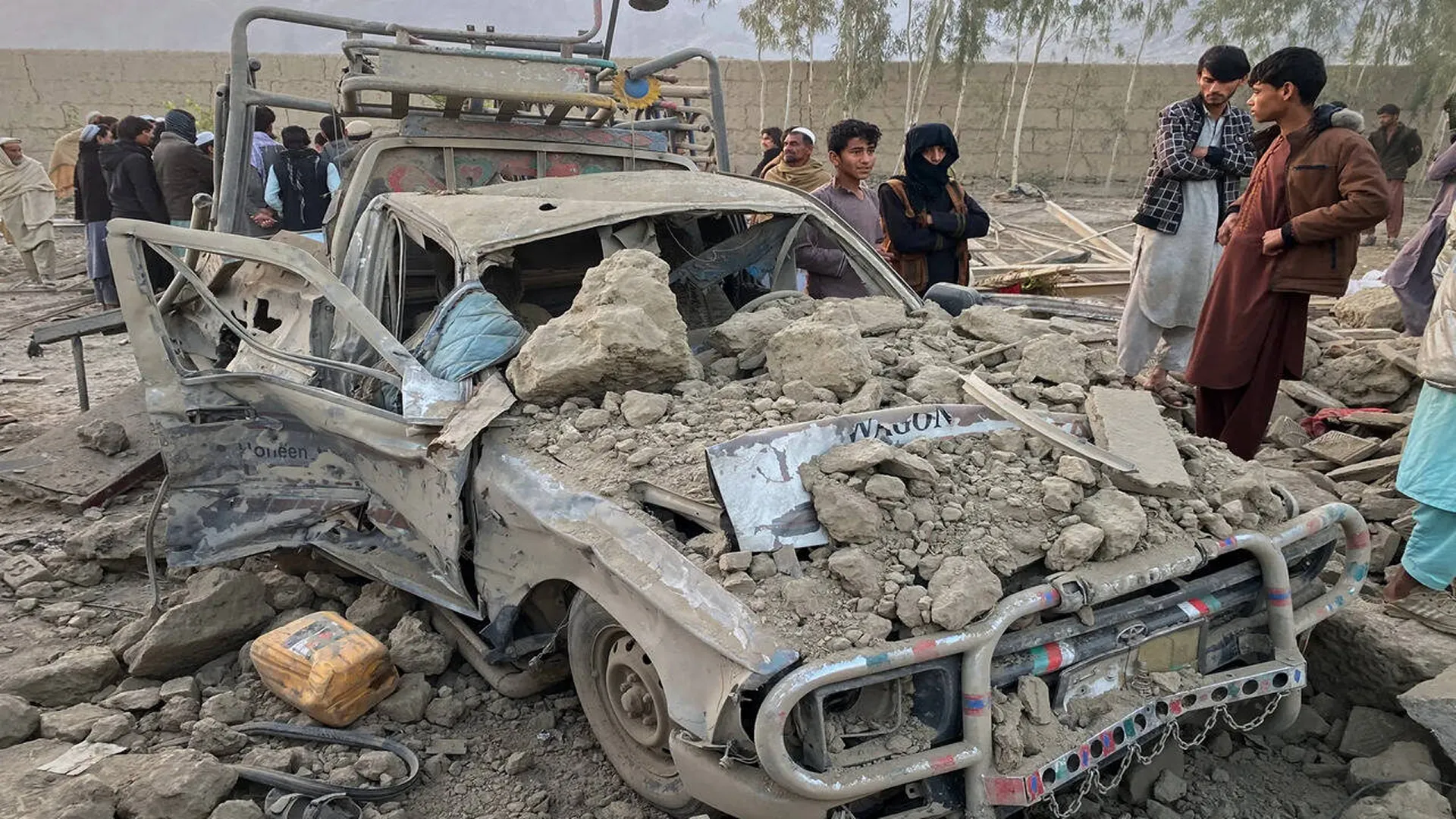
The Tensions between Pakistan-Afghanistan conflict have increased once again after the recent border military actions. In past few days, both countries have said strong statements regarding airstrikes and border clashes. However there is no official declaration of war as of now but the situation has raised serious concerns about safety and stability in the region.
Although the Pakistan–Afghanistan conflict is not new but this time it has raised so much. Pakistan has launched air strikes on Afghanistan stating it was for Taliban Terrorism. This article will give you all information about Pakistan vs Afghanistan conflict.
Recent Updates
The current escalation started after Pakistan airstrikes inside Afghan territory. Pakistani officials are stating that the strikes were aimed for militant hideouts which are responsible for attacks on Pakistani security forces near the border.
The name of the Operation is Ghazab Lil Haq.
According to Islamabad, armed terrorist groups which are operating from Afghanistan have done multiple cross-border attacks in recent months and Pakistan claims these actions forced them take security measures.
Afghan authorities were adamant about their criticism of the air strikes. Officials in Kabul said that the act is in violation of their sovereignty and warned that the operation could cause the escalating tensions. They deny allowing their territory being used to the Pakistan.
The exchange of words quickly became a diplomatic arguement that led to more uncertainty and insecurity about the future of the relations between the two nations.
Read More : Trump Proposes Bold Shift: Can Tariffs Really Replace Income Tax?
Background of the Pakistan-Afghanistan Conflict
To look at the current situation of the conflict it is essential to study the history of both nations.
1. The Durand Line Dispute
The line that divides Pakistan from Afghanistan is also known as The Durand Line. This border has been the source of dispute for a number of years. Afghanistan has always expressed concerns about officially recognizing the border, whereas Pakistan believes it is an internationally recognized boundary.
Military presence and border fencing along this border have frequently caused tensions and even violent clashes.
2. Militant Groups and Security Concerns
Following the return of the Taliban to the throne from Afghanistan by 2021 Pakistan shows a greater cooperation on counterterrorism initiatives. Yet, Islamabad has repeatedly accused militant groups against Pakistan, including Tehreek-et-Taliban Pakistan (TTP) of operating on Afghan territory.
Pakistan stated that they are responsible for the attacks on security forces as well as civilians. Afghan Authorities have denied the allegations saying that they will not allow their land for use against another other country.
This issue is still one of the primary causes of tensions that keep recurring.
3. Refugee and Border Management Issues
Another issue that has been running is moving refugees as well as non-documented people across borders. Pakistan has been host to thousands of Afghan refugees in the past. But, security concerns as well as illegal border crossings has led to tensions in their relations.
Official Reactions from both Sides
After the latest airstrikes, Pakistani officials described the operation as an “targeted counter-terrorism operation on Pakistan-Afghanistan conflict.” They said that the mission was particularly planned to wipe out particular threats.
Afghanistan on other hand, has condemned the strike and named the strikes an act of aggression. Afghan officials warned that any repeated violations of territorial boundaries could be punished.
Each government has maintained their public positions. However diplomatic sources suggested backchannel communications are likely to be in place to avoid further escalation.
Regional and International Concerns
The rising tensions have brought attention throughout South Asia. The stability in the region is a sensitive issue because of multiple security threats changes in the political landscape, as well as economic tensions.
Analysts at Security Research believe ongoing Pakistan-Afghanistan conflict could
- Interrupt border trade
- More refugees are moving into the country.
- Strengthen militant activity
- Instability in the surrounding regions
Global observers have called on each side to exercise restraint and to resolve conflicts by negotiating, not military actions.
Is This a War?
Despite the seriousness of the situation there’s no official agreement to declare war on Pakistan-Afghanistan conflict. The situation is currently described as cross-border conflicts and military escalation, not an actual war.
However Pakistan’s defence minister Khawaja Asif mentions their “patience has reached its limit”. “Now it is open war between us and you,”
Experts caution that if retaliatory actions are not stopped by either party, the situation will become worse. The ability to control responses and diplomatic communication play an important role in preventing the spread of conflict.
Possible Outcomes
There are many possible scenarios that could be a possibility in the coming weeks:
1. Diplomatic De-escalation
Both sides could choose to engage in dialog to ease tensions and prevent any further military involvement.
2. Continued Limited Strikes
The border incidents as well as targeted actions could persist without escalating into a bigger conflict.
3. Instability
If tensions continue to linger and the region is in danger of an extended period of time, which could impact security and trade.
The direction to take will be largely on the decisions of the Afghan government at Islamabad as well as Kabul.
Why This Conflict Matters
The Pakistan vs Afghanistan conflict is important due to the fact that both countries share a long frontier and long-standing historic connections. Conflicts between them could affect the whole South Asian region.
Security issues in one country usually affect the other. This is why cooperation is important to ensure peace over the long term. The military can be able to address threats in the short term however, sustainable solutions need cooperation and understanding through diplomatic channels.
Conclusion
The ongoing Pakistan-Afghanistan conflict from 2026 reveals the senstivity of relations between these two countries that are neighbors. Recent airstrikes as well as strong diplomatic responses have increased tensions, yet the situation hasn’t been declared a war.
Both governments are under pressure to find a way to balance national security issues with stability in the region. Although military action has raised questions, there is the possibility of de-escalation process.
The coming days are crucial and If both sides decide to be restrained and open communication, tensions will decrease. If however, confrontations continues with a greater likelihood of instability cannot be completely eliminated. At present, observers from the region remain curious as the situation develops.