
 Prakash Sngh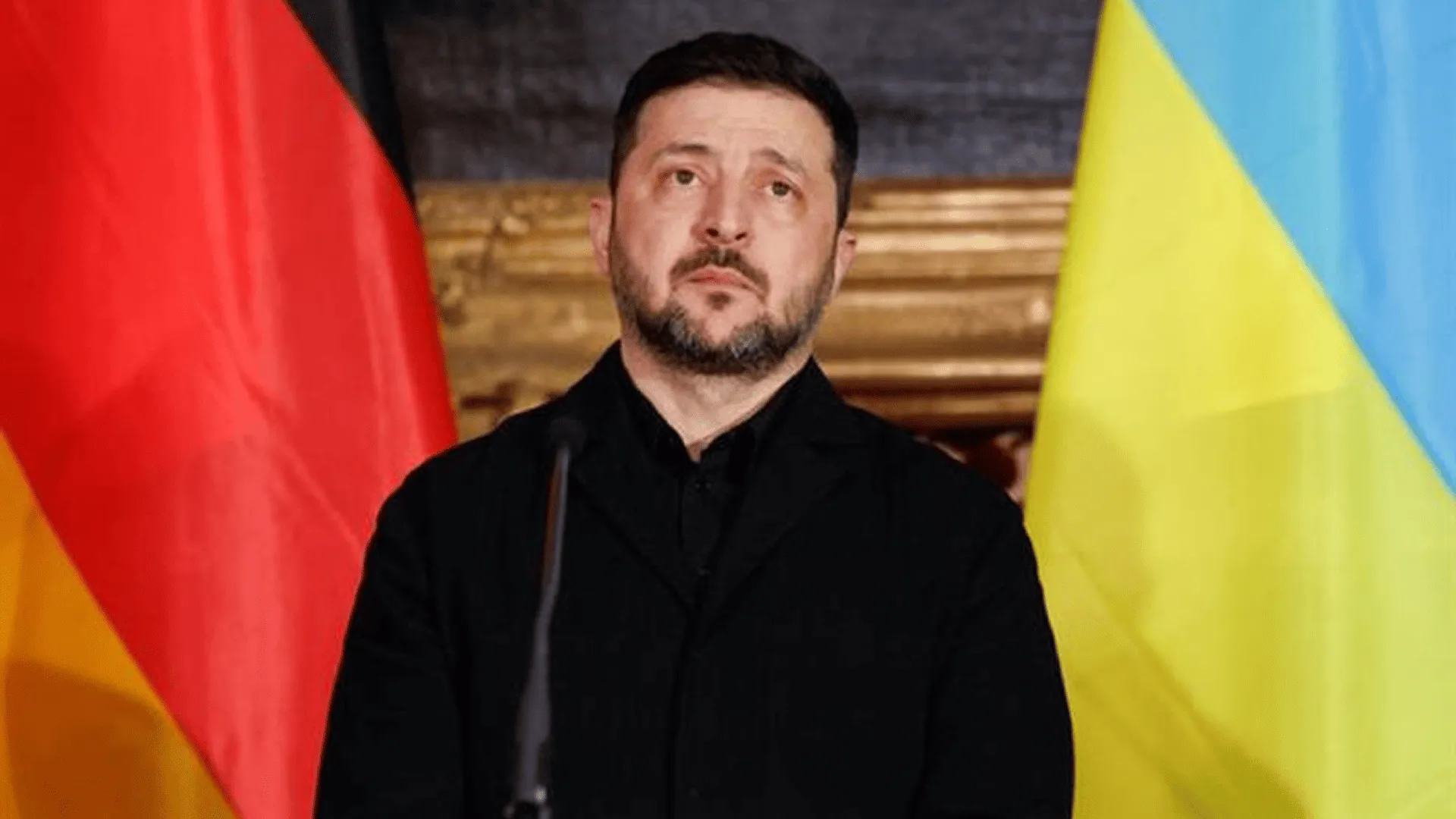
The latest round of high-stakes diplomacy in Switzerland has come to a close with mixed results. I am reporting on the conclusion of the Ukraine peace talks Geneva 2026, where negotiators from Kyiv and Moscow met under U.S. mediation. While there were signs of movement on technical issues, the most critical hurdle—the fate of occupied land—remains unresolved.
According to news today, the two-day summit ended on Wednesday, February 18, after a final session that lasted only two hours. Ukrainian President Volodymyr Zelenskyy confirmed that while “some groundwork has been done,” the core positions of both nations are still far apart. As the war approaches its fourth anniversary next week, the lack of a breakthrough on territorial boundaries continues to stall a final peace deal.
Progress on Ceasefire but Deadlock on Land
In the morning news, details emerged about what was actually achieved during the discussions. Negotiators reportedly found common ground on “almost all issues” related to a ceasefire monitoring mechanism. This system would involve the United States helping to track and verify the end of active fighting.
However, the today’s news cycle is dominated by the failure to reach a compromise on territory. Russia continues to demand full control of the eastern Donetsk region, a condition that Ukraine has flatly rejected. Zelenskyy has stated that surrendering land not currently held by Russia would be a “betrayal” that the Ukrainian public would never forgive.
- Agreement reached: Ceasefire monitoring and technical military tracks.
- Deadlock: Future of the Donbas region and the Zaporizhzhia Nuclear Power Plant.
- Status of talks: “Difficult but businesslike,” according to Russian lead negotiator Vladimir Medinsky.
The Role of International Pressure
The trending news surrounding the Geneva talks highlights the intense pressure from Washington. President Donald Trump has urged both sides to “come to the table fast,” suggesting that a deal is necessary to end the drain on global resources.
However, Zelenskyy has argued that it is “not fair” for the U.S. to press Ukraine for concessions while Russia continues its military strikes. On the sidelines, representatives from the UK, France, Germany, and Italy also met with the Ukrainian team. Zelenskyy described European participation as “indispensable” for any lasting security guarantee.
Read More : France To Host 30,000 Indian Students By 2030: President Macron’s Vision
Ongoing Conflict Amidst Diplomacy
Even as the diplomats met in Geneva, the reality on the ground remained grim. In new news reported by Ukrainian officials, Russia launched a massive drone and missile strike shortly before the talks began. This served as a stark reminder of the “true intent” of the Kremlin, according to Kyiv.
- Military Action: Over 400 drones and 29 missiles launched by Russia during the summit week.
- Casualties: Civilians reported injured in strikes across 12 Ukrainian regions.
- Economic Strain: Russia’s oil revenues have hit a five-year low, putting pressure on Moscow’s long-term war budget.
A Long Road Ahead
The conclusion of the Ukraine peace talks in Geneva 2026 shows that while the “military track” is advancing, the “political track” is stuck. Both sides have agreed to hold another round of negotiations before the end of February.
For now, the map of Ukraine remains the biggest point of contention. Until there is an agreement on where the borders lie, the prospect of a total end to the war remains distant. As your journalist on this beat, I will keep you updated as the next round of talks approaches.